
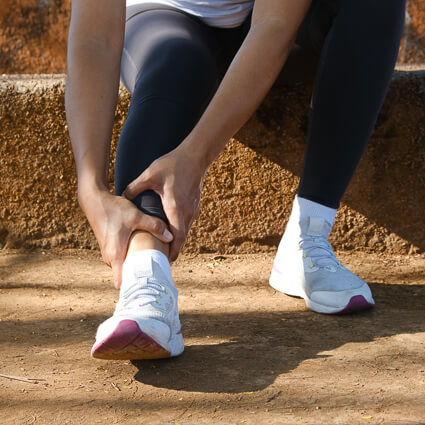
 You train, you stretch, you hydrate, maybe you foam roll—yet certain areas still feel tight days later. Or you notice the same spots (hips, shoulders, lower back) never fully soften, no matter how consistent you are. If that sounds familiar, you’re not imagining it. Some post-workout tightness is normal, but persistent tension often points to something deeper than “just sore muscles.”
Understanding Post-Workout Tightness vs Trigger Points
A big part of getting relief is knowing what kind of tightness you’re dealing with—normal recovery versus a pattern that keeps reappearing.
Normal Recovery vs. Persistent Tension
After a tough workout, muscles can develop tiny micro-tears. That’s a normal part of adaptation and strengthening. The soreness that peaks around 24-48 hours later (delayed onset muscle soreness) should fade within a few days, especially with good sleep, movement, and recovery.
Persistent tension behaves differently. If a muscle stays tight week after week, if you feel knots that don’t budge, or if stretching gives only short-lived relief, you may be dealing with trigger points, adhesions, or a compensation pattern. These can form from repetitive training, old injuries, poor mechanics, or joints that aren’t moving the way they should.
Here’s the part many active people miss: tight muscles are often the body’s response, not the true starting point. When a joint is restricted, the muscles around it frequently tighten to stabilize and protect it. You can stretch all day, but if the joint restriction remains, the nervous system may keep those muscles “on duty.”
How Chiropractic Adjustments and Techniques Aid Recovery
Release, Alignment, and Nervous System Support
When restricted joints regain motion, the surrounding muscles often don’t need to guard as intensely. Adjustments can help reduce that protective tension by improving how the joint moves and how the nervous system is interpreting the area.
Better joint function can also support circulation and recovery. When movement is smoother, it’s easier for the body to deliver oxygen and nutrients to tired tissues, and to clear out waste products that contribute to that heavy, tight feeling.
Your nervous system also plays a huge role in recovery. When it can shift out of “protect mode,” your body more easily enters rest-and-repair mode—where healing and adaptation actually happen.
Supportive Tools for Faster Recovery
We typically combine approaches so you’re not only getting relief, but also improving how your body handles training over time.
Graston Technique®, Active Release Technique®, and Muscle Stimulation
The Graston Technique® uses specialized instruments to address scar tissue and adhesions in muscles and connective tissues. If you’ve ever felt like a region is “stuck” or won’t lengthen normally, this can help restore smoother tissue glide.
Active Release Technique® targets specific muscles and fascial restrictions through movement-based care. When paired with adjustments, it can address both the joint restriction and the soft tissue tension that often travel together. Dr. Bannon and Dr. Katro often blend these approaches based on what your body needs most that day.
When appropriate, we may also use muscle stimulation and other modalities to encourage relaxation and recovery. The goal is always the same: better movement, better function, and less recurring tightness.
Home Care and Recovery Habits
What you do between visits matters. We’ll give you realistic home guidance—targeted mobility work, stability exercises, and small training tweaks when needed—so your body can keep improving outside the clinic.
Hydration, nutrition, and sleep also shape recovery more than most people realize. Sometimes persistent tightness isn’t just mechanical; it’s also your body asking for more resources and downtime to rebuild.
Many athletic patients choose to include chiropractic care as part of their training routine—not only when something hurts. They often notice they recover faster, train more consistently, and feel less held back by nagging tight spots.
Ready to feel loose, strong, and mobile again? Contact Bannon Clinic of Chiropractic, P.A. today and let’s build a recovery plan that supports the way you train and live.